

How Does Botox Work?
Botox is a purified form of botulinum toxin type A, which is a protein that temporarily blocks the nerve signals that tell a muscle to move. When a muscle can’t receive that signal, it relaxes.
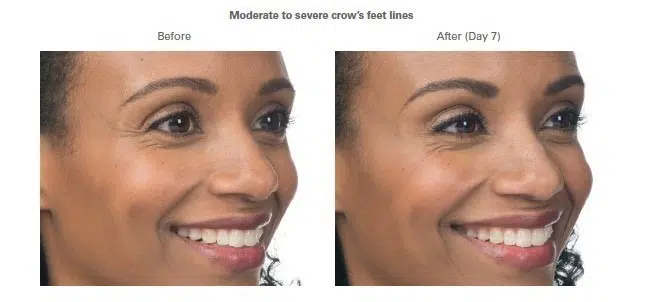
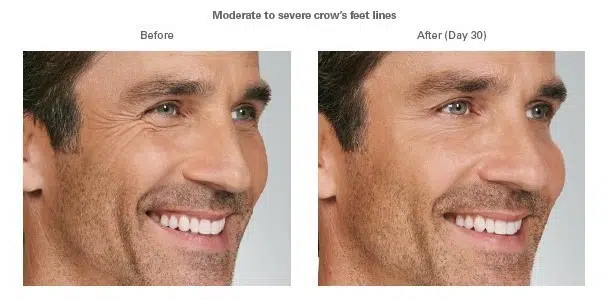
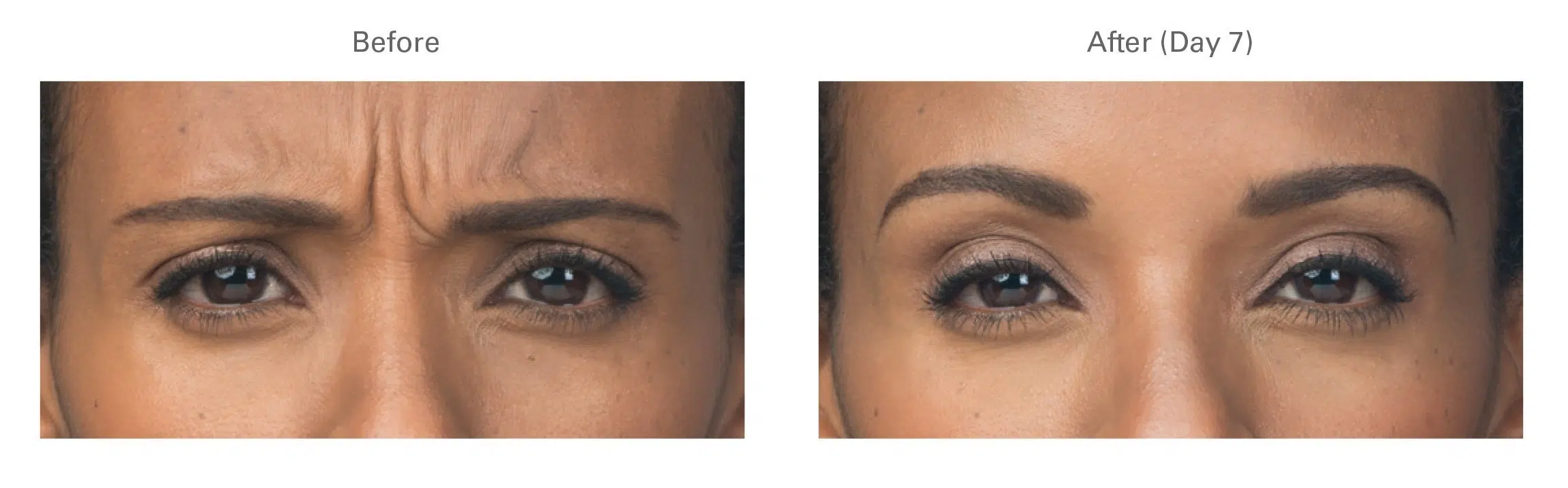
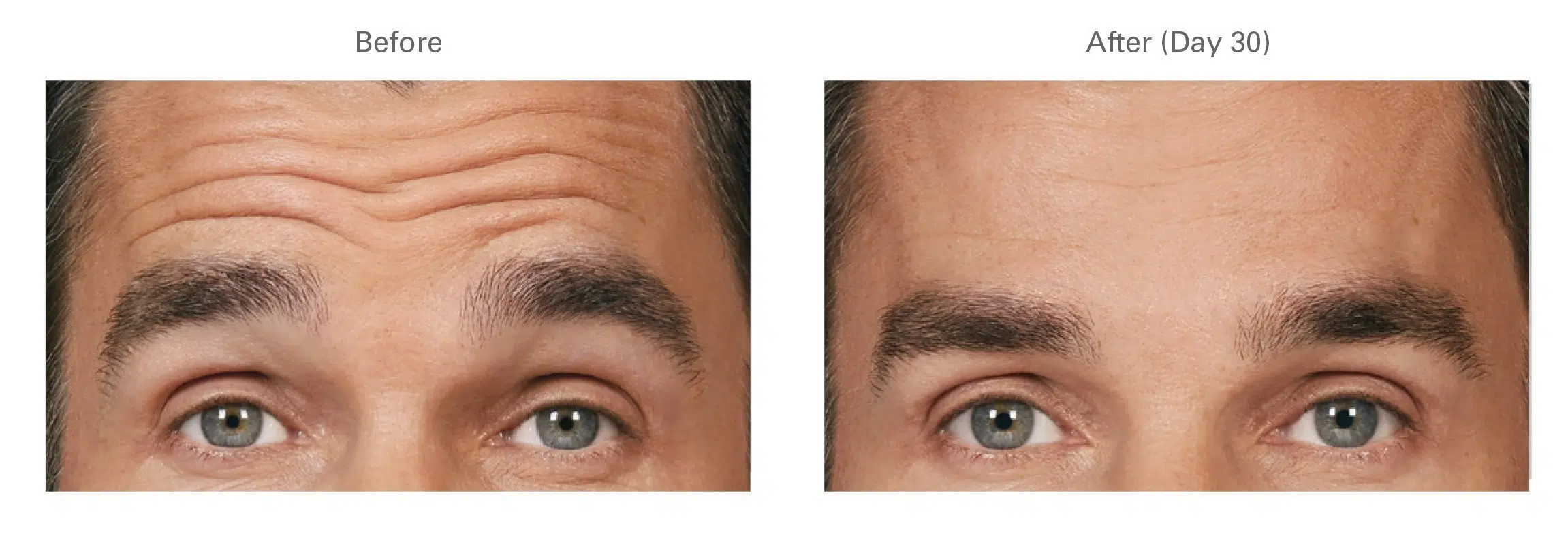
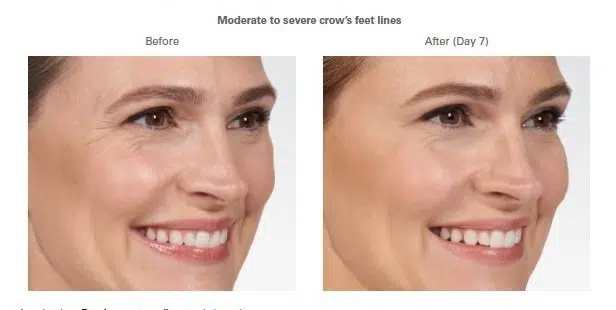
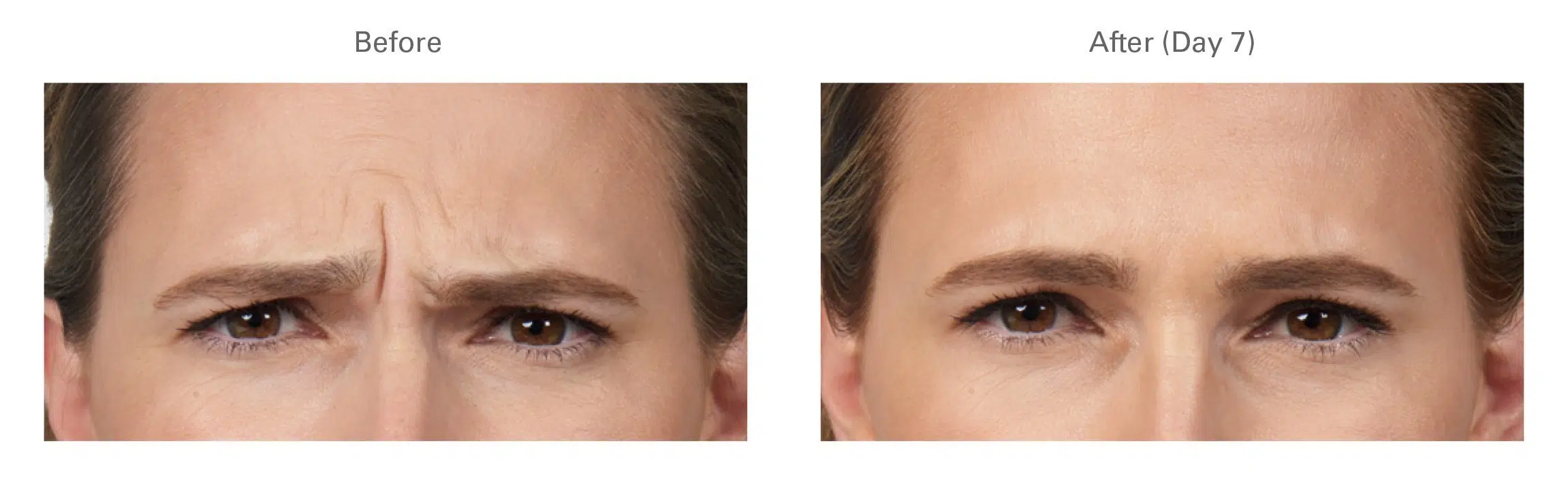
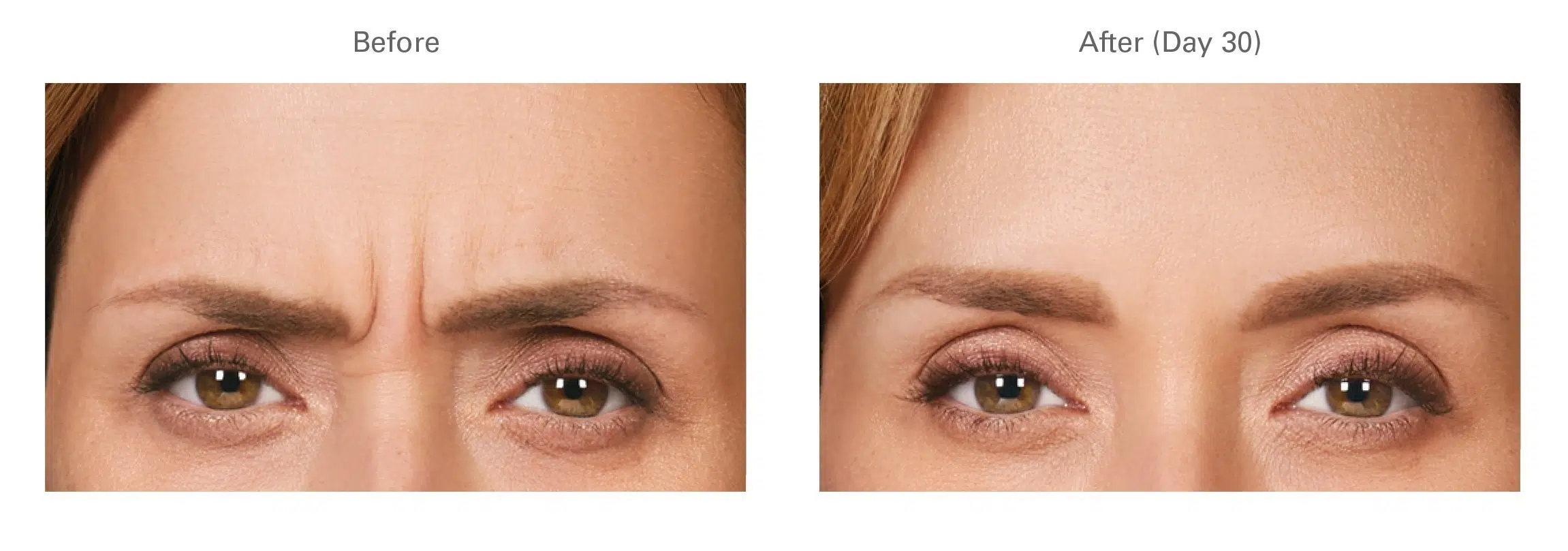
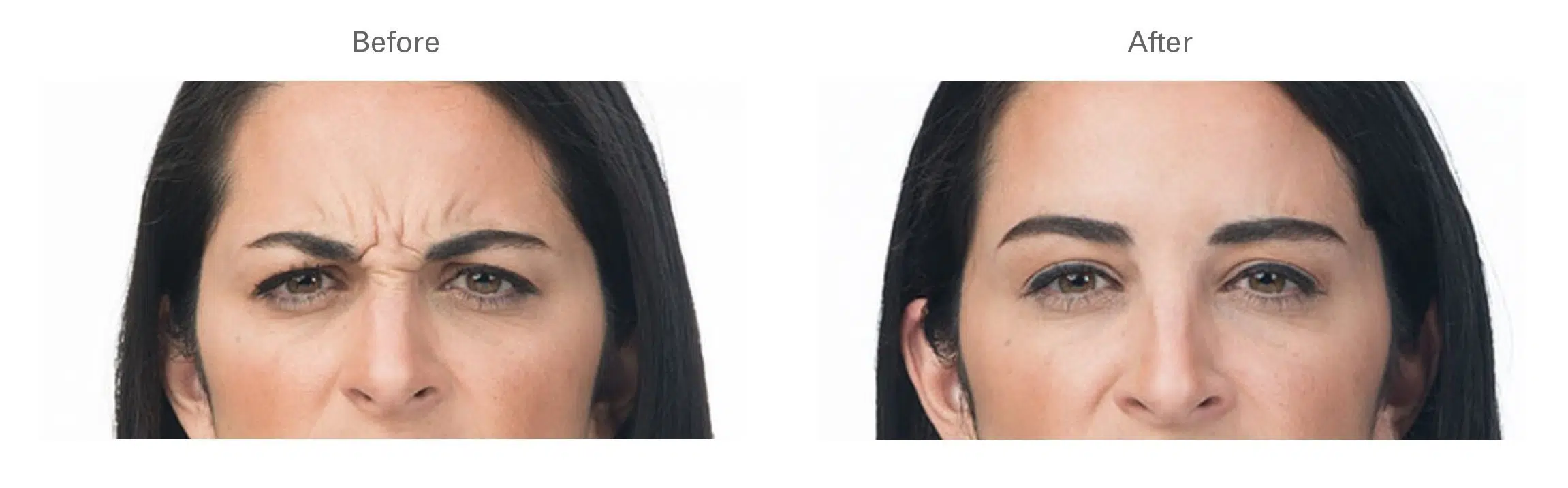
Many of the lines we treat at Skin Vitality (frown lines, crow’s feet, forehead creases) are caused by repeated muscle movement over years of smiling, squinting, and expressing emotion. These are called dynamic wrinkles, because they form with motion. Botox smooths the skin without affecting the muscles around it by relaxing the muscle responsible for a specific expression line.
Why Doesn't Botox Work Immediately?
Botox Results Timeline
- Days 1–3: Early softening may begin
- Days 7–14: Most individuals reach their peak result
- Months 3–4: Gradual return of movement
- Ongoing: Maintenance treatments may support longer-lasting refinement; results vary
Is Botox Safe?
Botox at Skin Vitality
Skin Vitality is the #1 Provider of Botox in Canada!
MONTHLY SPECIALS
Botox Toronto
Skin Vitality’s Botox injectors are recognized for their proven results in cosmetic injectables, selected for their strong credentials and professional reputation. Each member of our team brings extensive daily experience, advanced hands-on training, and the skill to treat a wide range of aesthetic and medical concerns using Botox with precision and care.
14 Botox Clinics Across Ontario
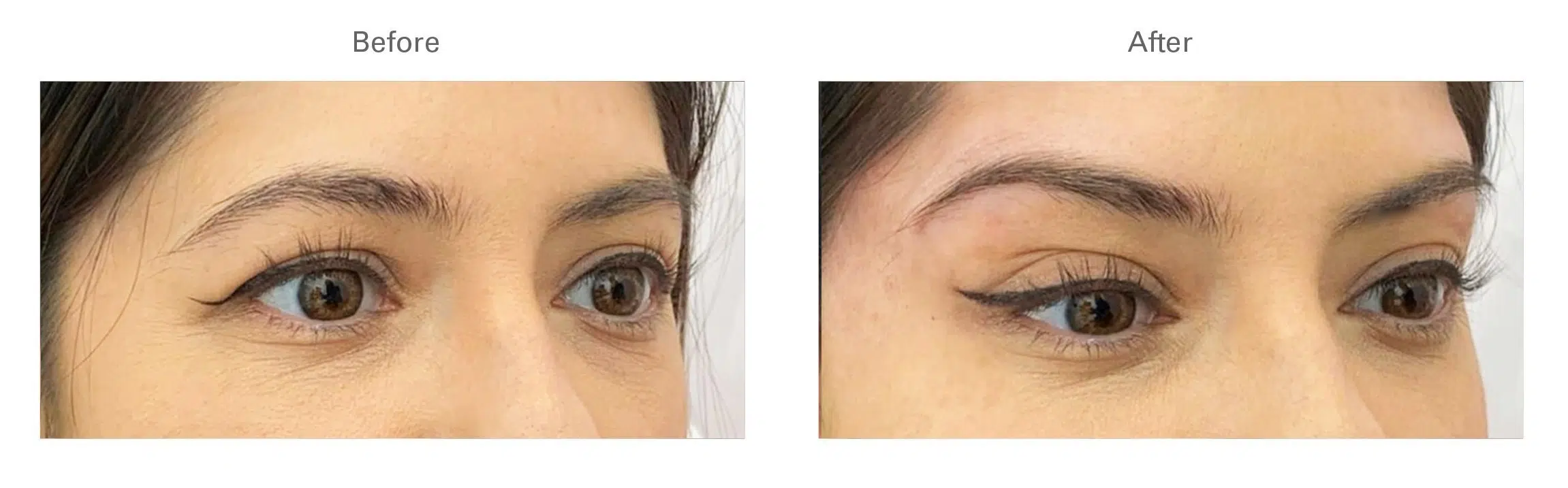
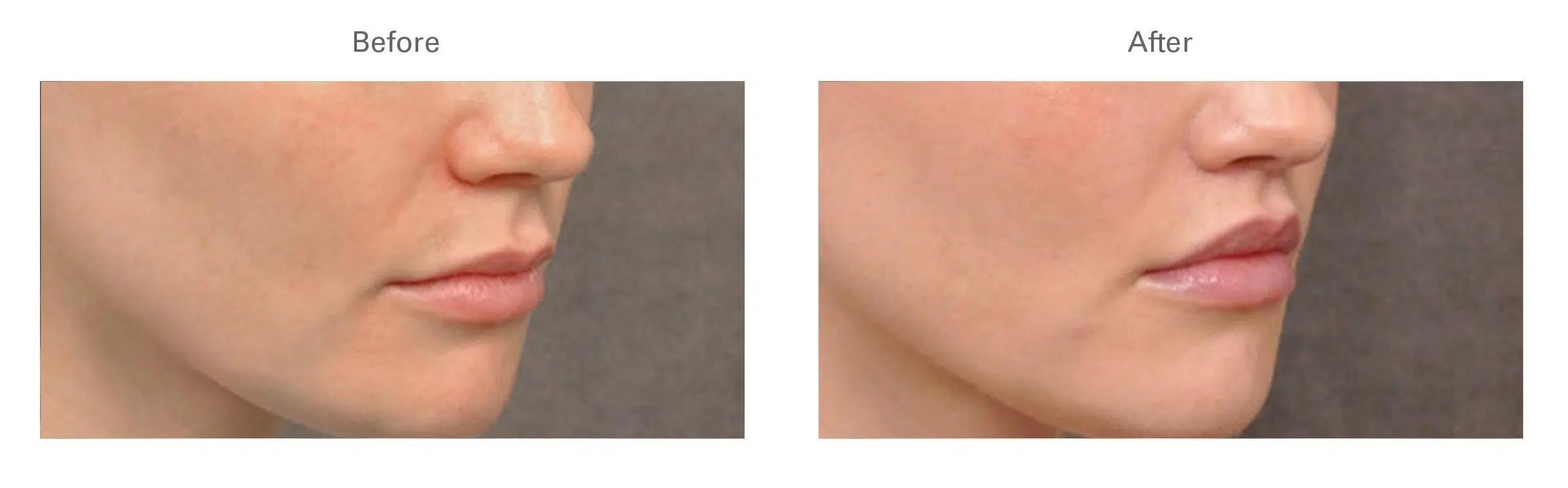
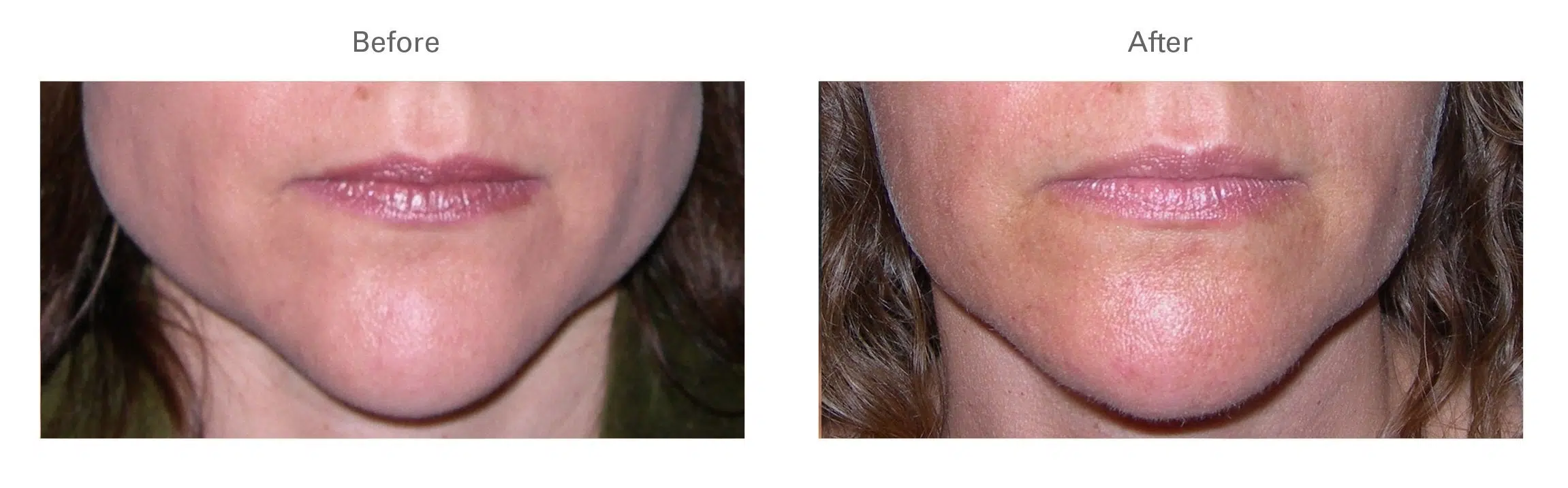
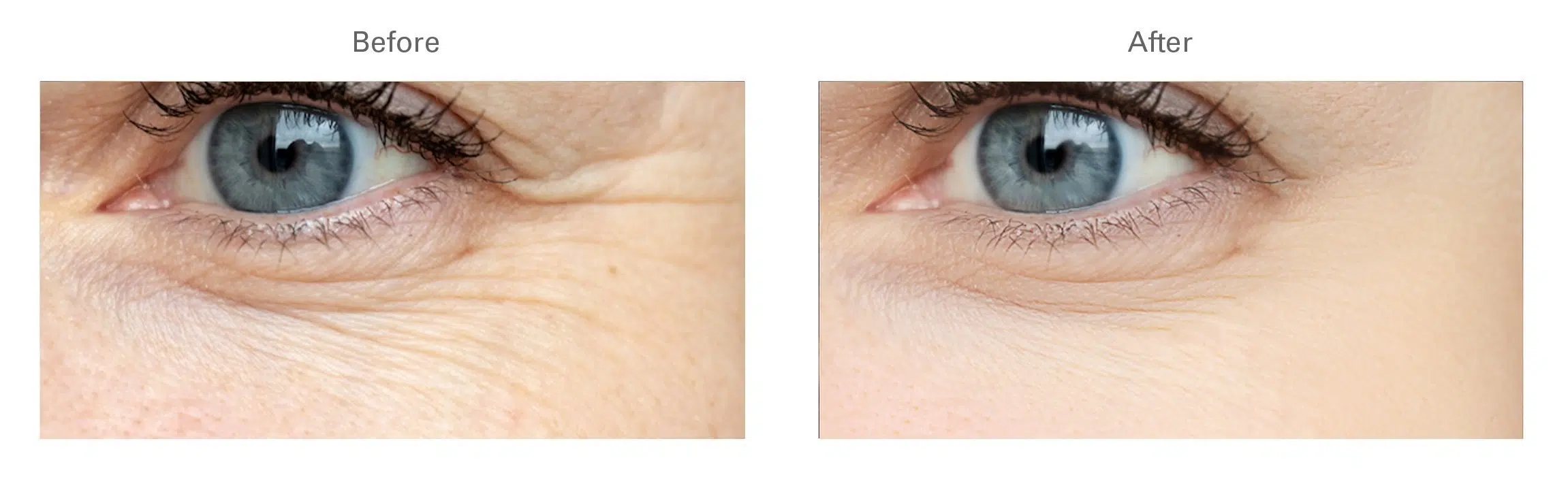
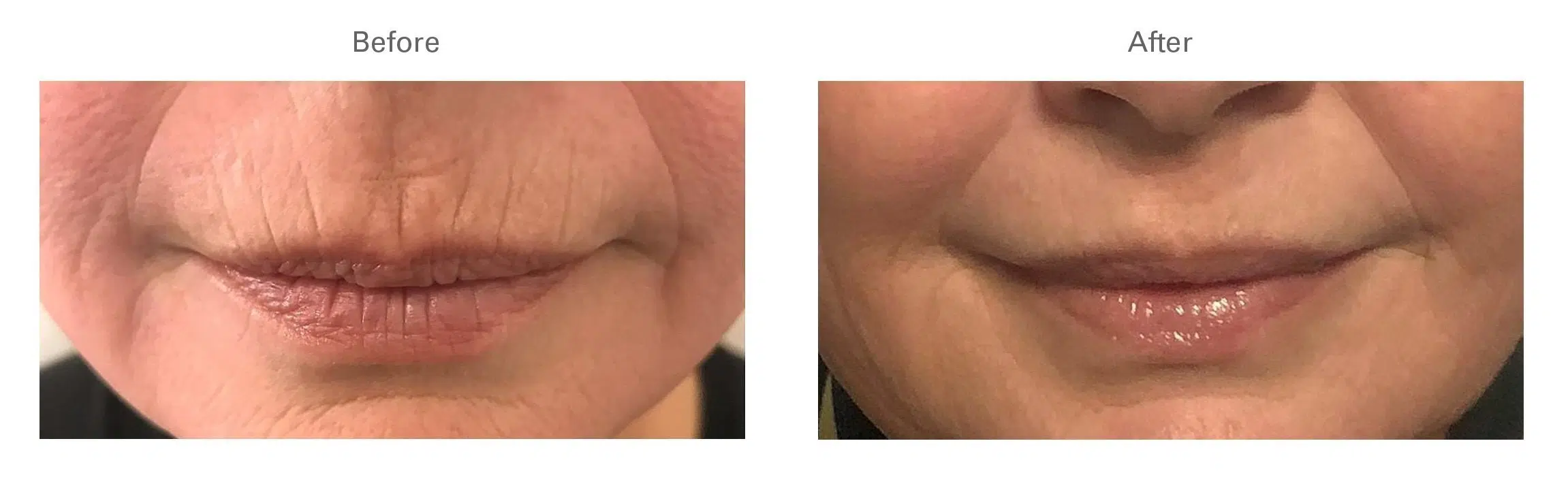
Botox BEFORE & AFTER RESULTS
How Many Botox Units Do I Need?
One of the most common questions we hear before a first treatment is simply: “how much Botox will I need?” The answer will depend on the treatment area, the strength of your muscles, and your aesthetic goals, but here is a general range based on what we typically see at Skin Vitality:
Area | Treats | Typical Units Needed |
Glabellar Lines (“11s”) | Frown lines between eyebrows | 20-30 Units |
Crow’s Feet | Smile lines around eyes | 10-30 Units |
Forehead Lines | Horizontal brow lines | 10-30 Units |
Lip Flip | Thin upper lip / gummy smile | 4-6 Units |
Masseter (TMJ / Jaw Slimming) | Teeth grinding, square jaw | 20-60 Units |
Hyperhidrosis (Underarms) | Excessive sweating | 50-100 Units |
Your exact unit count is determined during your complimentary consultation, where your injector assesses your muscle strength, the depth of your lines, and the result you’re hoping for. Stronger muscles — often seen in the glabellar and masseter areas — typically need more units to achieve a visible effect.
Curious about the details? Our full breakdown is in How Many Units of Botox Do You Really Need? A Toronto Injector Explains
We also offer 0% financing through Affirm, so the cost of treatment can be spread out rather than paid all at once.
Botox Testimonial
BOTOX REVIEWS
Botox vs Dysport: What's the Difference?
Botox and Dysport are both neuromodulators that work the same basic way; relaxing targeted muscles to soften expression lines. The differences come down to how each product behaves once injected:
| Botox | Dysport |
Onset | 3–7 days | 2–5 days (often slightly faster) |
Spread | More localized, precise | Diffuses more broadly |
Best for | Smaller, targeted areas (lip flip, crow’s feet) | Larger areas (forehead, broad muscle groups) |
Typical longevity | 3–4 months | 3–4 months |
No option is objectively “better” than the other, the right choice depends on the area being treated and your injector’s assessment of your muscle activity. Many of our patients at Skin Vitality have tried both and prefer one over the other simply based on how their body responds; this is something your injector can help you figure out during your consultation.
Want the full comparison? Read about Botox vs Dysport for a deeper look.
Why Patients Choose Skin Vitality for Botox
Skin Vitality has been providing cosmetic injectables across Ontario since 1992. Our medical team includes 10 Medical Doctors, 40 Nurse Practitioners, and dozens of Registered Nurses and Registered Practical Nurses across our 14 clinics, making us the largest provider of Botox in Canada.
Every injector on our team brings hands-on daily experience treating a wide range of facial anatomy, ages, and goals. Treatment plans are never one-size-fits-all; your injector designs your dosage and placement around your specific muscle activity and the look you’re going for, whether that’s barely-there softening or a more noticeable refresh.
Targeted Botox Treatments



Botox vs Dermal Filler: Which Do I Need?
This is one of the most common points of confusion we hear from new patients, and the distinction is simple: Botox relaxes muscles to soften lines caused by movement (dynamic wrinkles), while dermal filler adds volume to areas that have lost structure or fullness over time (static volume loss).
If your concern is forehead lines, crow’s feet, or the “11s” between your brows that show up when you make an expression, Botox is typically the right tool. If your concern is hollow cheeks, thinning lips, or deep nasolabial folds that are visible even at rest, filler is usually the better fit. Many patients combine both as part of a broader treatment plan, and your injector can help map out which areas benefit from which approach during your consultation.

SHOP GIFT CARDS!
Easy to order, packaged in a fabulous gift box! Or choose to send an eGift Card online directly to the recipient!

Botox FAQ's
How Long Do Botox Results Usually Last?
Most of our patients at Skin Vitality see results lasting 3 to 4 months, though this varies based on your metabolism, the treatment area, and how many units were used. Areas with stronger, more active muscles (like the masseter) sometimes show effects fading a bit sooner than smoother areas like the forehead. We typically recommend scheduling your next appointment around the 3-month mark so your injector can assess your specific timeline and keep your results consistent.
Is There Any Downtime After Botox?
None of our patients need to take time off for a Botox appointment. Most head straight back to work or their daily activities afterward. You may notice mild redness or small bumps at the injection sites for the first hour or two, and on occasion, light bruising that fades within a few days. Your injector will walk you through simple aftercare, like avoiding strenuous exercise and lying flat for a few hours, before you leave.
Does Botox Hurt?
Most patients describe the sensation as a quick pinch, similar to a small bug bite, and it’s over within seconds per injection point. We use very fine needles specifically to keep the treatment as comfortable as possible. If you’re nervous about needles, let your injector know and we can apply a topical numbing cream beforehand or use ice to minimize the sensation further.
What Are The Side Effects of Botox?
The most common side effects we see are mild redness, slight swelling, or a small bruise at the injection site; all temporary and usually gone within a day or two. Less common effects like a temporary heavy brow or slight asymmetry can happen if a muscle responds differently than expected, which is why our injectors closely monitor placement and follow up if any adjustment is needed. We cover the full safety picture during every consultation.
For a full breakdown of what to avoid after treatment, visit our detailed Botox aftercare guide.
Will Botox Make Me Look Frozen or Overdone?
A frozen look almost always a result of too much product in the wrong places, not the treatment itself. At Skin Vitality, our injectors plan every treatment around your individual facial anatomy and how your muscles move when you talk, smile, or express emotion. The goal is to soften lines while keeping your natural movement intact. If you want the most subtle, conservative result possible, please tell your injector during your complimentary consultation. Dosing can be adjusted to match exactly how natural or noticeable you want the effect to be.
How Long Does a Botox Treatment Take?
A typical Botox appointment at Skin Vitality takes about 10 to 20 minutes from the first injection to the last, though your full visit (including consultation, mapping your treatment areas, and aftercare instructions) usually runs closer to 30 minutes. There’s no need to set aside a big chunk of your day; many patients book appointments during a lunch break.