Why Questions About Botox Side Effects Are So Common
Considering Botox often comes with questions, especially around safety, side effects, and what’s normal versus what’s rare. With so much information online, it’s easy for concerns to grow, particularly when uncommon outcomes are discussed without context.
The reality is that Botox has a long history of use in both medical and aesthetic care, and most people experience only mild, temporary effects at the treatment area. Still, it’s reasonable to want clear, honest information before making a decision — including an understanding of less common reactions and how they’re managed in a medical setting.
This guide is designed to provide balanced, evidence-based clarity. It outlines what is commonly experienced, what is less common, and what is considered rare, while explaining how proper assessment, technique, and medical oversight help support safe, predictable treatments. The goal isn’t to raise concern, but to offer transparency, reassurance, and practical knowledge so expectations are informed and grounded in clinical evidence.
Understanding Botox and Botulinum Toxin: Why Side Effects Can Happen
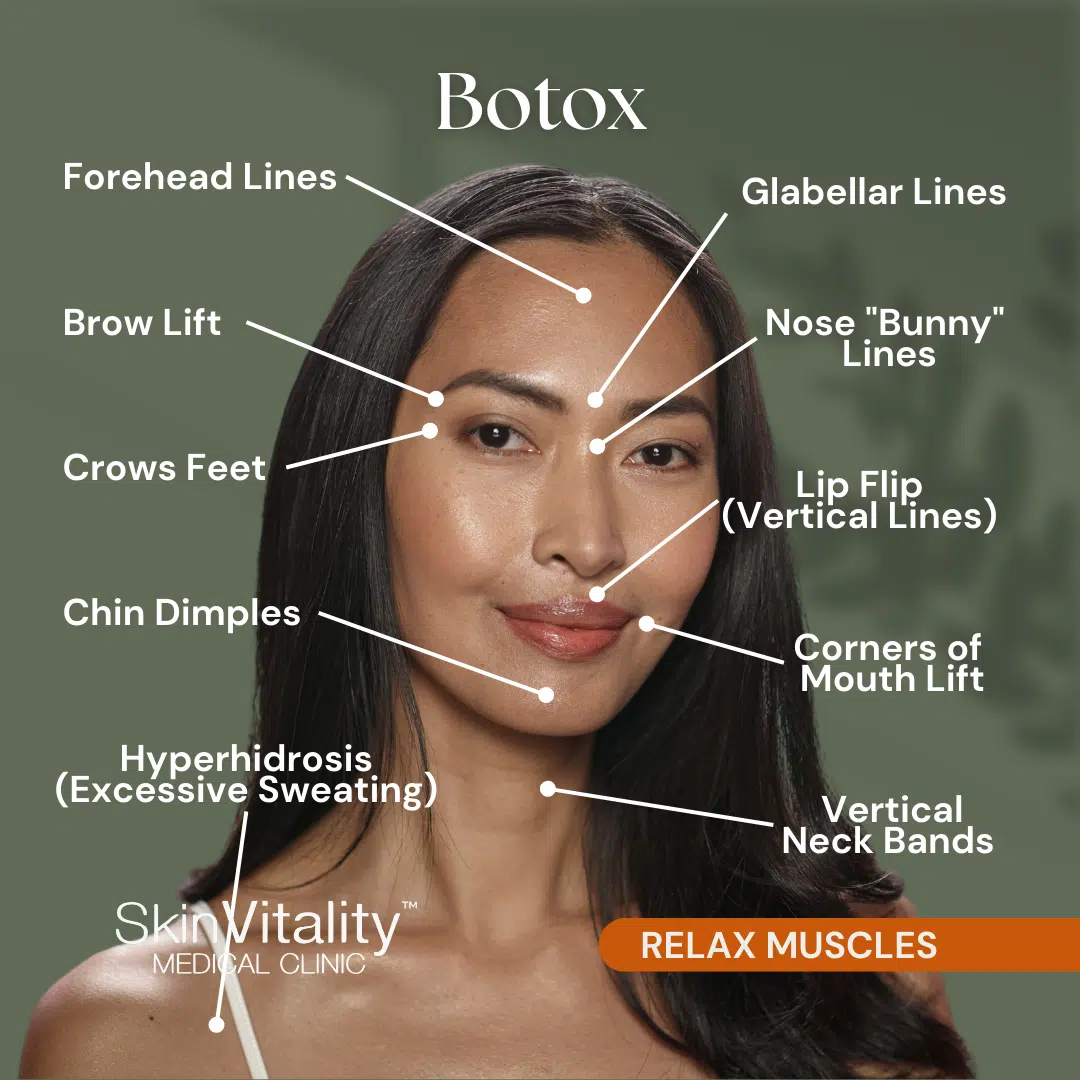
A Botox injection works by reducing targeted muscle activity. In aesthetic care, dosing is typically lower and localized. In medical care (for conditions such as spasticity, migraines, or hyperhidrosis), dosing and injection patterns can differ significantly. These differences matter when comparing risk conversations found in news articles, social media, or similar articles online.
Side effects can happen for several reasons, including:
Normal needle-related responses at the injection site (bruising, redness)
Localized spread to a nearby muscle group (temporary heaviness or asymmetry)
Individual sensitivity, anatomy, muscle strength, and metabolism
Most reactions after injections are mild and resolve without intervention. Common side effects at the injection site include:
Redness
Small bumps
Tenderness
Minor bruising
These typically settle within hours to a few days. Individuals with easy bruising, certain supplements, medications, or very active facial muscles may notice these effects more strongly.
Uncommon (Still Usually Mild) Botox Side Effects
Uncommon effects may include:
Headache
Temporary tightness in the treated area
Short-lived asymmetry during the settling period
Headache after Botox: what people ask most
“Headache after Botox” is one of the most searched concerns and shows up frequently in patient discussions. In many cases, headaches are mild and short-lived, but duration can vary based on injection pattern, muscle tension, stress, hydration status, and individual sensitivity.
When headaches are severe, persistent, or repeatedly occur after each treatment cycle, clinical reassessment is appropriate. Adjustments may include altering injection points, total units, or timing—depending on goals and anatomy.
The rare reactions below appear in clinical literature and may be more likely when dosing/placement is inappropriate or injections occur outside regulated medical environments.
Localized Eyelid Heaviness and Eyelid Ptosis (Drooping)
Temporary eyelid heaviness or eyelid ptosis can occur if botulinum toxin affects a nearby muscle involved in eyelid elevation. It is typically temporary and improves as product activity diminishes.
Prevention focuses on anatomy and technique, including:
Baseline assessment of brow position and eyelid function
Conservative placement and dosing
Avoiding patterns that increase diffusion risk based on individual anatomy
How long can it last? Published discussions commonly describe improvement over weeks, with full resolution expected as neuromodulator effect fades. Case report literature also documents resolution timelines in the week-range.
Brow Heaviness and “Spock Brow”
A “Spock brow” (over-arched outer brow) is typically related to an imbalance in forehead muscle relaxation patterns. This is often correctable with careful reassessment and conservative adjustment, depending on timing and presentation.
This topic trends heavily online because it is visible and can be distressing—making clear expectation-setting and follow-up guidance important.
Smile Imbalance or Lip Asymmetry (Lower Face)
When the lower face is treated, muscles involved in speech and expression can be more sensitive to small placement differences. Temporary imbalance may occur and usually resolves as neuromodulator activity decreases.
Lower-face neuromodulation should be planned with an anatomy-forward approach, conservative dosing, and clear functional screening.
Neck Weakness or Difficulty Swallowing: Exceptionally Rare in Cosmetic Dosing
Difficulty swallowing (dysphagia) and more generalized weakness are discussed in the medical literature, particularly in case reports involving higher doses or complex scenarios. Cosmetic dosing is typically lower, which makes these reactions uncommon in aesthetic care, but awareness remains important.
Allergic Reaction: Extremely Rare
Allergic reactions to Botox are uncommon. When present, symptoms may include itching, rash, or localized swelling. Severe allergic reactions are considered very rare, but urgent assessment is appropriate if systemic symptoms occur.
Spread of Toxin Effects: What It Means and Why It’s Discussed Online
Many “serious Botox” discussions reference a boxed warning about potential spread of toxin effects beyond the injection area. In aesthetic dosing, this remains rare, but it is a key reason regulated medical environments, screening, and proper technique matter.
Side Effects and Considerations
Risk is individual and depends on many variables. Factors that may influence likelihood of side effects include:
Injecting too frequently or combining multiple toxin sources
Non-medical settings or unregulated products (a growing concern with “DIY Botox” content online)
Botox Aftercare and Practical Steps That May Reduce Injection Site Issues
Aftercare matters most for minimizing bruising, swelling, and unintended spread. Common clinical aftercare instructions may include:
Avoid rubbing or massaging treated areas for the recommended time window
Avoid strenuous exercise for the recommended period
Follow individualized guidance provided at the appointment
Aftercare should be tailored to treatment areas and dosing plan.
Frequently Asked Questions
How long do Botox side effects last? Most injection site effects (redness, swelling, tenderness) resolve within days. Bruising can take longer. Rare effects such as eyelid heaviness may take weeks to fully settle, depending on presentation and individual factors.
Is headache after Botox normal? Headache is a recognized side effect and is often short-lived, but duration varies. Persistent or recurring headaches after multiple cycles should be discussed during follow-up planning.
What causes drooping eyelids (ptosis) after Botox injections? Ptosis generally relates to localized spread affecting muscles that elevate the eyelid. Proper assessment and conservative technique reduce risk.
Can flu-like symptoms happen after injections? Some individuals report fatigue or flu-like symptoms after botulinum toxin injections. These reports exist across medical information sources, though they are not considered the most common reaction pattern. Persistent symptoms warrant medical guidance.
Can Botox cause serious adverse effects? Serious adverse effects are rare, especially in cosmetic dosing, but urgent symptoms (breathing/swallowing/speaking difficulty, generalized weakness) require immediate assessment.
At Skin Vitality, we specialize in advanced aesthetics, medical-grade treatments and personalized body contouring plans tailored to your unique body, goals, and lifestyle. With over 200 medically trained staff across 14 clinics, and proudly serving Ontario since 1992, we’re Canada’s #1 provider of Botox®, Juvederm®, and CoolSculpting®, and the leading provider of EMSCULPT NEO in Ontario.
Our treatments are clinically overseen by Dr. Ramzan, MD, Medical Director at Skin Vitality Medical Clinic and a board-certified physician. Treatments are performed by licensed nurses, injectors, and technicians.
We don’t believe in one-size-fits-all treatments, we believe in custom transformations backed by medical expertise, proven technology, and trust.
Frevert, J. (2018). Safety Aspects of Botulinum Toxin Type A: A Clinical Review. Journal of Neural Transmission.