How to Treat Deep Glabellar Lines (11 Lines): Botox vs Filler
Deep glabellar lines — often called 11 lines — can become more noticeable over time, even when the face is at rest. For many people, these lines feel frustrating because they can make the face appear tense or tired, even when emotions don’t match the expression.
When exploring treatment options, the most common question is whether Botox or dermal filler is the better choice. The answer depends less on the line itself and more on why it formed and how the area moves.
Why Do 11 Lines Become Deep Over Time?
Glabellar lines form between the eyebrows, an area that moves frequently with expression. Frowning, concentrating, or squinting repeatedly engages the muscles in this region. Over time, constant movement combined with natural collagen loss can cause these lines to deepen.
In early stages, 11 lines may only appear during expression. As the skin loses elasticity, they can remain visible even when the face is relaxed. This shift often signals that treatment decisions may need to be more personalized.
Is Botox Enough for Deep Glabellar Lines?
Botox is commonly the first treatment considered for glabellar lines — and in many cases, it’s an effective place to start.
Botox works by relaxing specific muscles that pull the eyebrows inward. When these muscles are less active, the skin above them folds less frequently, which may allow lines to soften over time. For people whose 11 lines are still strongly linked to muscle movement, Botox alone may provide noticeable improvement.
That said, deeply etched lines that remain visible at rest may not fully respond to muscle relaxation alone. This is where further assessment becomes important.
Dermal fillers are sometimes discussed when glabellar lines are deeper and remain visible even after muscle movement is reduced.
Fillers are designed to support the skin beneath the surface, which may help soften more established creases. However, the area between the eyebrows is anatomically complex, with important blood vessels, so filler treatment here requires advanced expertise and careful patient selection.
For this reason, filler is not always the first choice and is not suitable for everyone. In many cases, Botox is used first, followed by a reassessment once muscle activity has settled.
There is no one-size-fits-all approach to treating deep 11 lines. Treatment planning typically considers:
whether the lines appear with movement or at rest
muscle strength in the glabellar area
skin thickness and elasticity
overall facial balance
Sometimes Botox alone is sufficient. In other cases, a more layered approach may be discussed. The goal is not to erase expression, but to support a softer, more relaxed appearance that still looks natural.
RELATED ARTICLES
Botox vs Juvederm vs Sculptra: Differences, Results, and When to Use Each
With the rise of minimally invasive cosmetic treatments, injectables like Botox, Juvederm, and Sculptra have become some of the most popular treatments for smoothing wrinkles, restoring volume, and supporting long-term collagen health.
A common concern with glabellar line treatment is looking “frozen” or overdone. Natural-looking results depend heavily on conservative dosing, precise placement, and an understanding of facial movement.
Experienced providers focus on maintaining expression while reducing excessive tension in the area. This is why technique and anatomical knowledge matter as much as the product used.
How Long Do Results Typically Last?
Results vary depending on the treatment type and individual factors such as metabolism and muscle strength.
Botox results are temporary and typically last several months. Dermal filler longevity varies by product and placement. Maintenance planning is often discussed during follow-up appointments and adjusted over time.
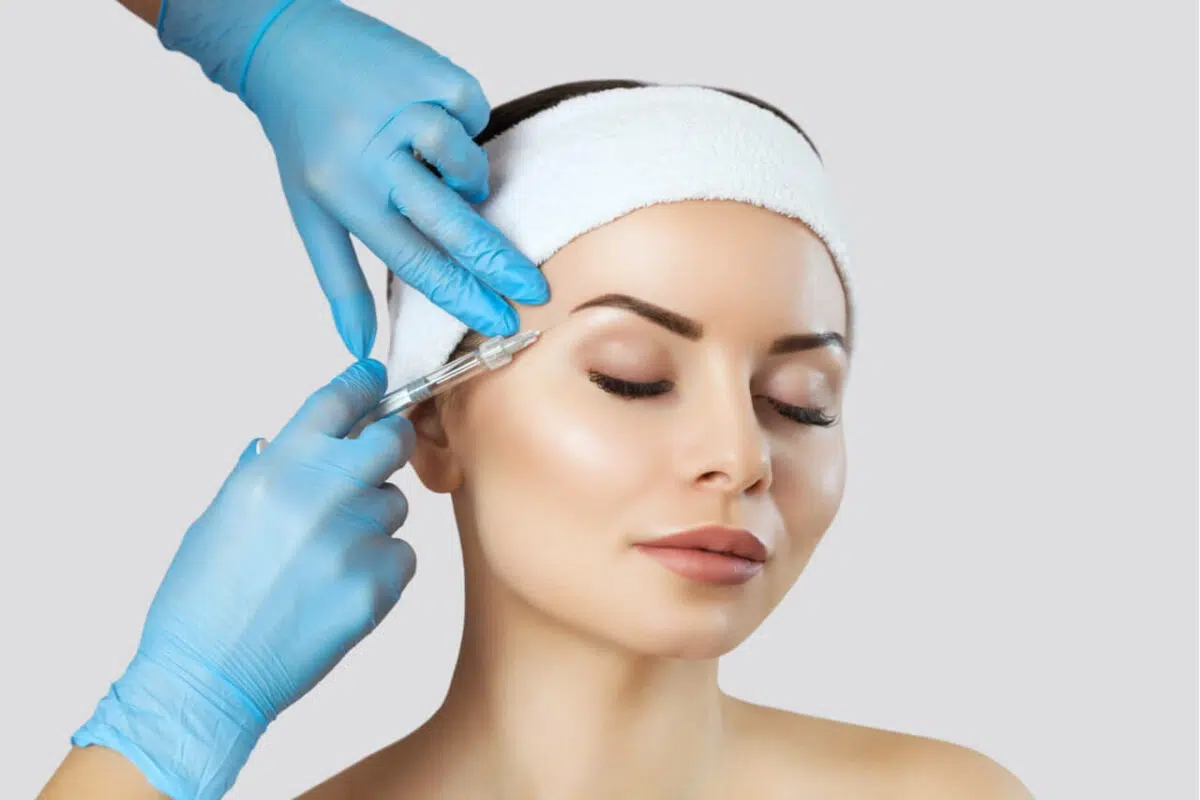
Because the glabellar area plays a central role in facial expression, treatment should be approached with care. Injectables should always be performed by trained, licensed medical professionals with experience in facial anatomy.
At Skin Vitality, all injectable and medical-device-based treatments are performed by a medical team of fully licensed, highly experienced regulated health-care professionals, including Medical Doctors, Nurse Practitioners, Registered Nurses, and Registered Practical Nurses.