

How Much Do Juvéderm Injections Actually Hurt?
One of the top questions we hear from patients considering Juvéderm is: “Does it really hurt?” The short answer is that discomfort varies from person to person and area to area, but it’s usually mild, brief, and far more manageable than most people fear—often described as quick pinches or pressure rather than sharp pain.
In this guide, we’ll break down realistic expectations for lips, cheeks, chin, jawline, and under-eyes, plus the numbing strategies that make treatment comfortable.
Why Sensation Varies Across Different Facial Areas
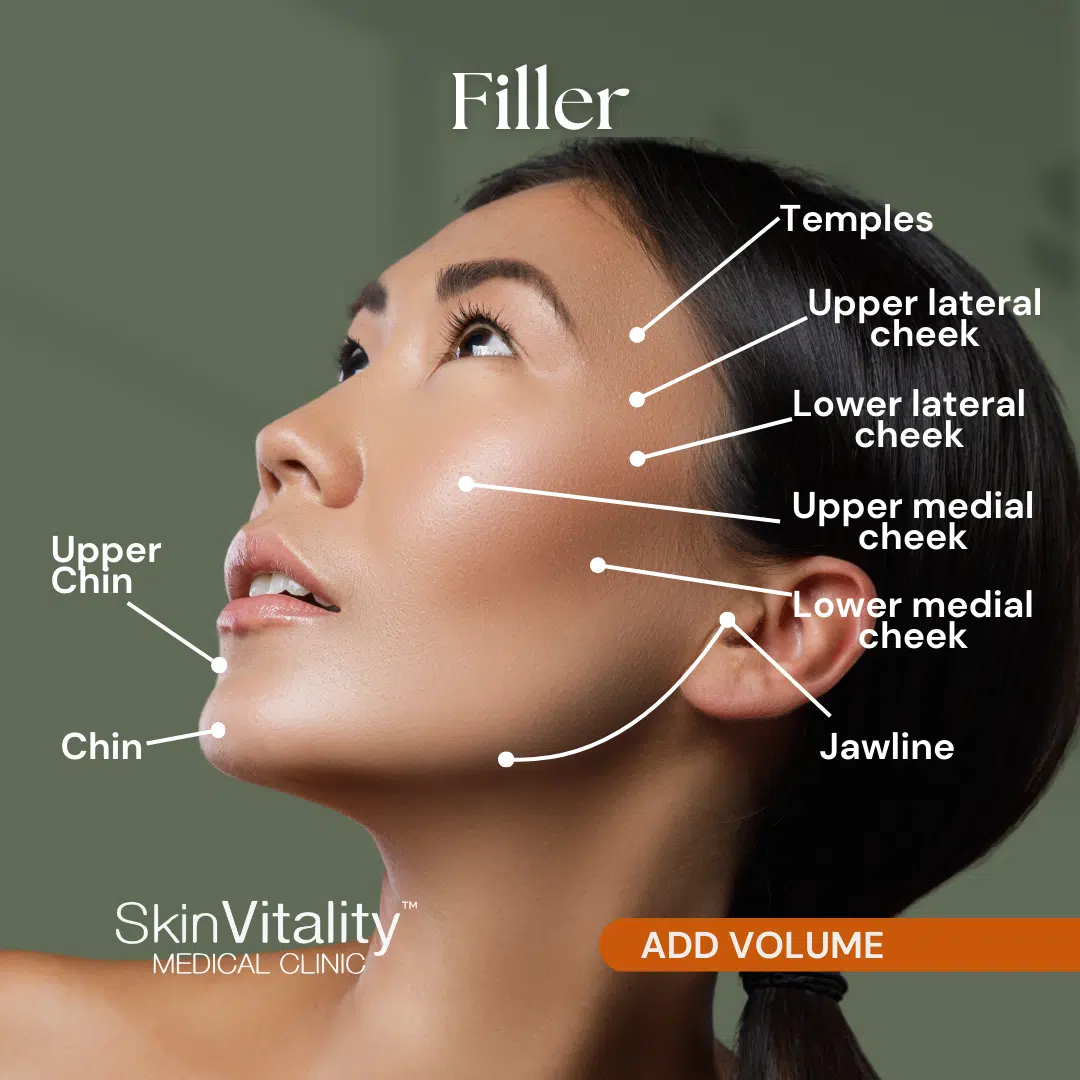
Each area of the face has different nerve density, tissue structure, and mobility, which may influence how treatment feels. Lips tend to be more sensitive, while deeply placed cheek or chin injections may feel more like pressure than sharpness. Technique, product choice, and injector experience also play important roles.
Hyaluronic acid fillers such as Juvéderm contain lidocaine, a built-in numbing ingredient that gradually reduces sensation with each pass.
What Juvéderm Injections Typically Feel Like
Juvéderm injections may create sensations such as:
- Mild pressure
- A quick pinch during needle entry
- Temporary stinging in sensitive areas
- A sense of fullness or tightness immediately after treatment
These sensations usually last only a few seconds at a time. Many individuals report that anticipation is more noticeable than the actual injections.
Area-by-Area Sensation Guide
Lips
Lips contain many nerve endings, making them naturally more sensitive. Lip injections may involve:
- A brief, sharp pinch as the needle enters
- Temporary tingling or warmth
- A sense of fullness as the filler draws water into the tissue
Topical numbing cream and the lidocaine in the filler often reduce sensation significantly as treatment progresses.
Cheeks
Cheek injections are often described as mild. Most individuals report:
- Minimal sharpness
- A sense of deep pressure
- Occasional warmth as lidocaine takes effect
Because the filler is typically placed deeper, discomfort tends to be less noticeable than in high-sensitivity areas like the lips.
Chin
Chin filler placement often involves deeper structural injection. Sensation may include:
- Pressure rather than sharpness
- Mild sensitivity during initial placement
- Temporary tightness as the filler integrates
Many find this area more comfortable than expected.
Jawline
Jawline injections may create:
- A brief pinch with needle entry
- Pressure along the mandibular border
- Temporary firmness
Cannula techniques may reduce the number of needle entries.
Under-Eyes (Tear Troughs)
This delicate area requires precision and conservative dosing. Sensation may include:
- Mild pressure
- Slight tugging if a cannula is used
- Minimal sharpness
Topical numbing and slow technique support patient comfort.
Comfort Options Commonly Used
Modern aesthetic clinics offer several tools to support a comfortable experience. Regulated health-care professionals select options based on the treatment area and individual needs.
Comfort Method | How It Helps | When It’s Commonly Used |
Topical numbing cream | Reduces surface sensations | Frequently used for lips and under-eyes |
Built-in lidocaine | Gradually decreases discomfort with each pass | Present in most Juvéderm formulations |
Ice application | Helps reduce sensitivity and early swelling | Applied before or after injections |
Cannula technique | Reduces needle entry points | Common for under-eyes, jawline |
Distraction techniques | Helps minimize perceived sensation | Used across all treatment areas |
Slow, controlled injection speed | Supports comfortable placement | Standard for experienced clinicians |
Most clinics combine multiple comfort strategies for a smoother experience.
What to Expect Immediately After Treatment
Short-term effects vary by area and technique, but may include:
- Mild swelling
- Tenderness
- Low-level discomfort similar to a bruise
- A sense of fullness, especially in lips and cheeks
These effects typically improve over the first few days as the tissue adjusts.
Why Injectors Use Different Tools for Different Areas
Regulated health-care professionals tailor their approach based on:
- Tissue density
- Desired level of projection
- Need for precision
- Avoidance of critical vascular structures
- Safety considerations based on anatomical depth
For example:
- Cannulas may be preferred for under-eyes to reduce trauma.
- Needles may be used for sharper definition in areas like the lips.
- A combination approach may be used for the jawline.
Technique is selected not only for comfort but also for optimal placement and safety.
How Long Discomfort Typically Lasts
Discomfort from injections is usually brief. Mild sensitivity may continue for several days as swelling settles, especially in areas with more movement. Tenderness is most common in the lips, under-eyes, and along the jawline.
Regulated health-care professionals review aftercare measures to help support comfortable recovery, including cold compresses and avoiding pressure or intense heat in the early hours after treatment.
When to Contact a Clinic for Assessment
While uncommon, certain symptoms may indicate the need for prompt evaluation:
- Increasing or severe discomfort
- Persistent blanching or unusual skin colour changes
- New or expanding areas of firmness
- Discomfort that worsens instead of improving
- Vision changes (extremely rare and requires immediate medical attention)
Clinics equipped with ultrasound technology may use imaging to assess filler placement when appropriate.
Free Consultation
Connect with our experienced medical team for a complimentary consultation and personalized treatment assessment.
Myth vs Reality: Pain and Dermal Fillers
Myth: Juvéderm injections are extremely painful.
Reality: Most individuals describe the sensation as mild and brief, especially with topical numbing and lidocaine.
Myth: Lip filler is unbearable.
Reality: Lips are sensitive, but numbing measures significantly reduce discomfort for many.
Myth: Cannulas are always painless.
Reality: Cannulas reduce punctures, but some pressure or tugging may still be felt.
Myth: Discomfort means something went wrong.
Reality: Mild tenderness is a normal short-term effect.





At Skin Vitality, we specialize in advanced aesthetics, medical-grade treatments and personalized body contouring plans tailored to your unique body, goals, and lifestyle. With over 200 medically trained staff across 14 clinics, and proudly serving Ontario since 1992, we’re Canada’s #1 provider of Botox®, Juvederm®, and CoolSculpting®, and the leading provider of EMSCULPT NEO in Ontario.
Our treatments are clinically overseen by Dr. Ramzan, MD, Medical Director at Skin Vitality Medical Clinic and a board-certified physician. Treatments are performed by licensed nurses, injectors, and technicians.
We don’t believe in one-size-fits-all treatments, we believe in custom transformations backed by medical expertise, proven technology, and trust.
Juvederm Voluma XC SSED (Safety & clinical study overview) – a primary clinical study assessing safety and effectiveness supporting FDA approval. Volux XC Clinical Safety Data (PMA supplement with clinical adverse event reporting in a controlled setting).