

Who is the PRP Hair Treatment for?
This treatment is typically chosen by individuals experiencing early hair thinning, androgenetic alopecia, or diffuse hair shedding who prefer a non-surgical option.
Safety Overview
PRP for hair restoration is generally well-tolerated when performed by trained clinicians; because the plasma is autologous, the risk of allergic reaction is low, and temporary scalp tenderness or redness may occur.
Typical Results Timeline
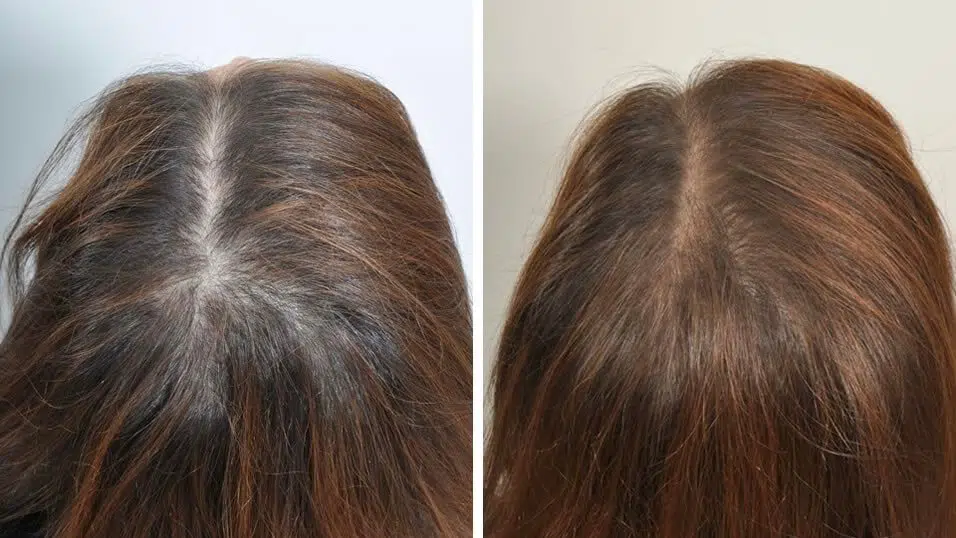
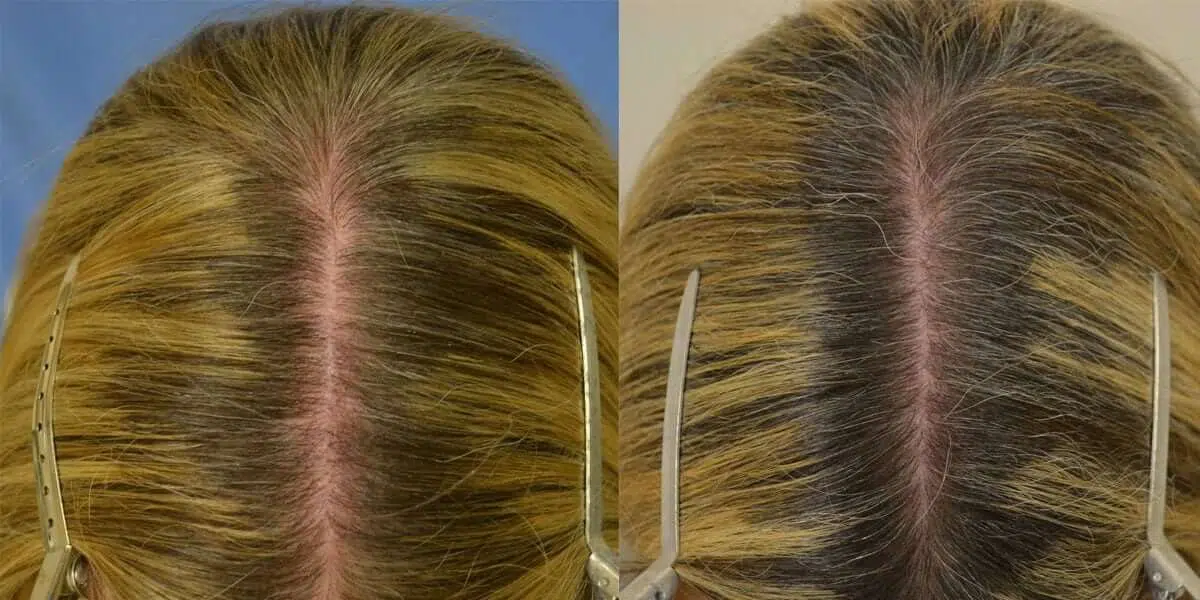
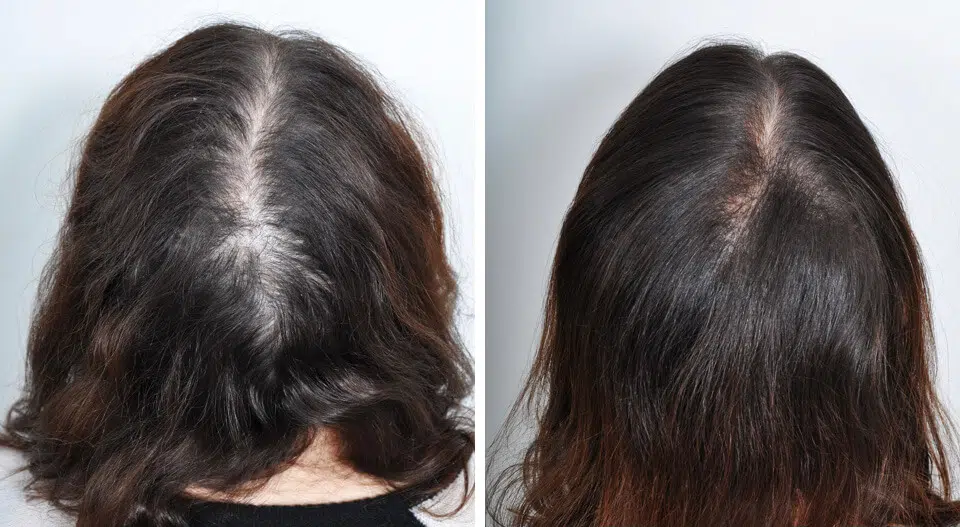
Reduced shedding may be noticed within 1–3 months, with visible thickening commonly developing over 3–6 months after a series of treatments.
Who should avoid PRP Hair?
Individuals with active scalp infections, bleeding disorders, platelet dysfunction, or certain medical conditions should not undergo this treatment. A medical consultation is required to determine individual suitability.
PRP FOR Hair at Skin Vitality Medical
At Skin Vitality, PRP for hair is often chosen by individuals in earlier stages of thinning who wish to support existing follicles. Patients commonly report reduced shedding first, followed by gradual thickening or coverage changes over several months when a series of treatments is completed. Temporary scalp tenderness or swelling is frequently observed and usually settles within a short period. Session number and interval are based on pattern of loss and response, with maintenance discussed once the initial course is completed.
PRP HAIR Clinics In Ontario
If you’re ready to explore hair loss treatment that works with your body’s natural biology, PRP may be the ideal solution. Find out if you’re a candidate for platelet-rich plasma hair treatment at Skin Vitality. Our experts are here to help you restore confidence and achieve visible results.
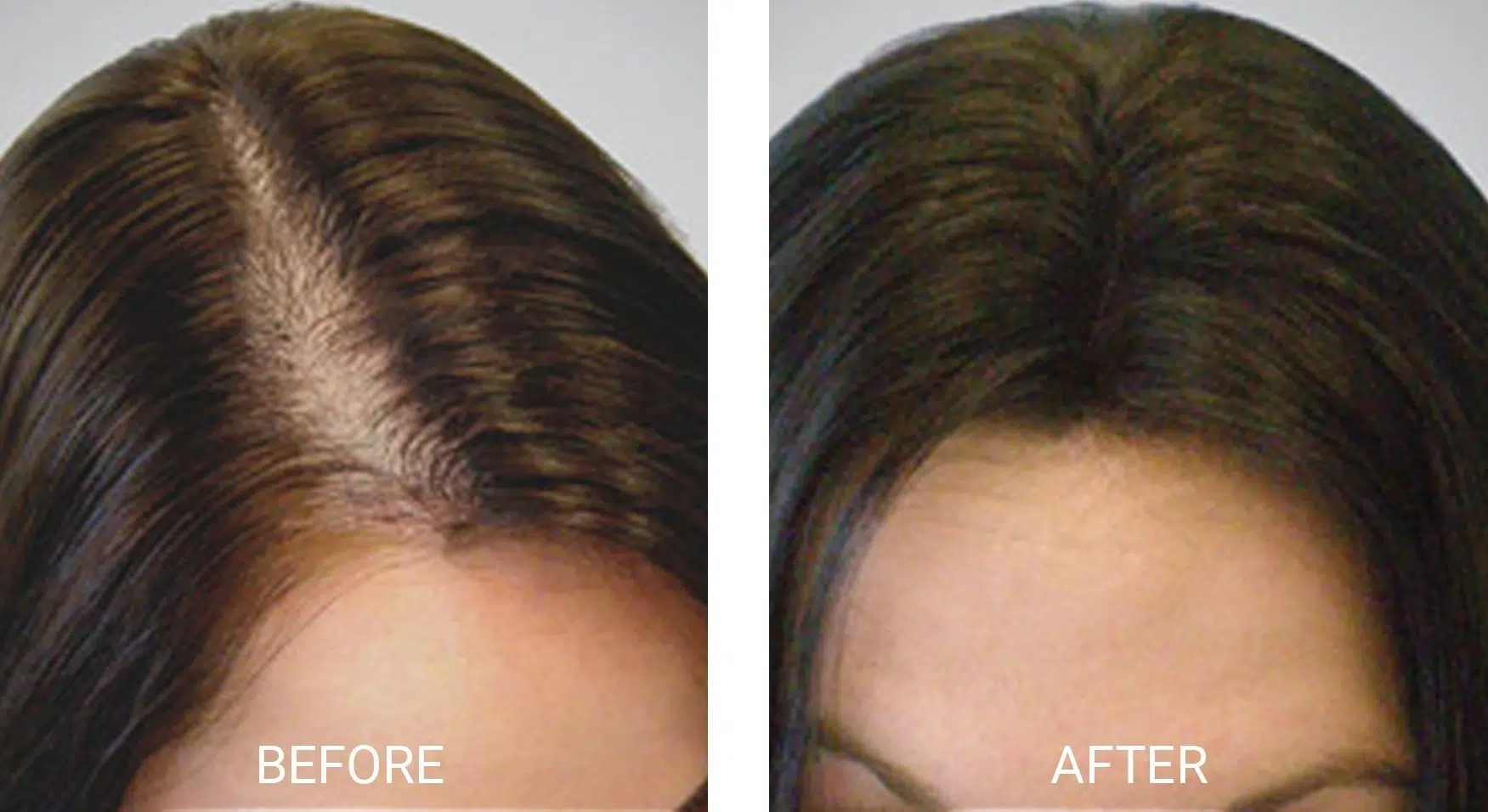
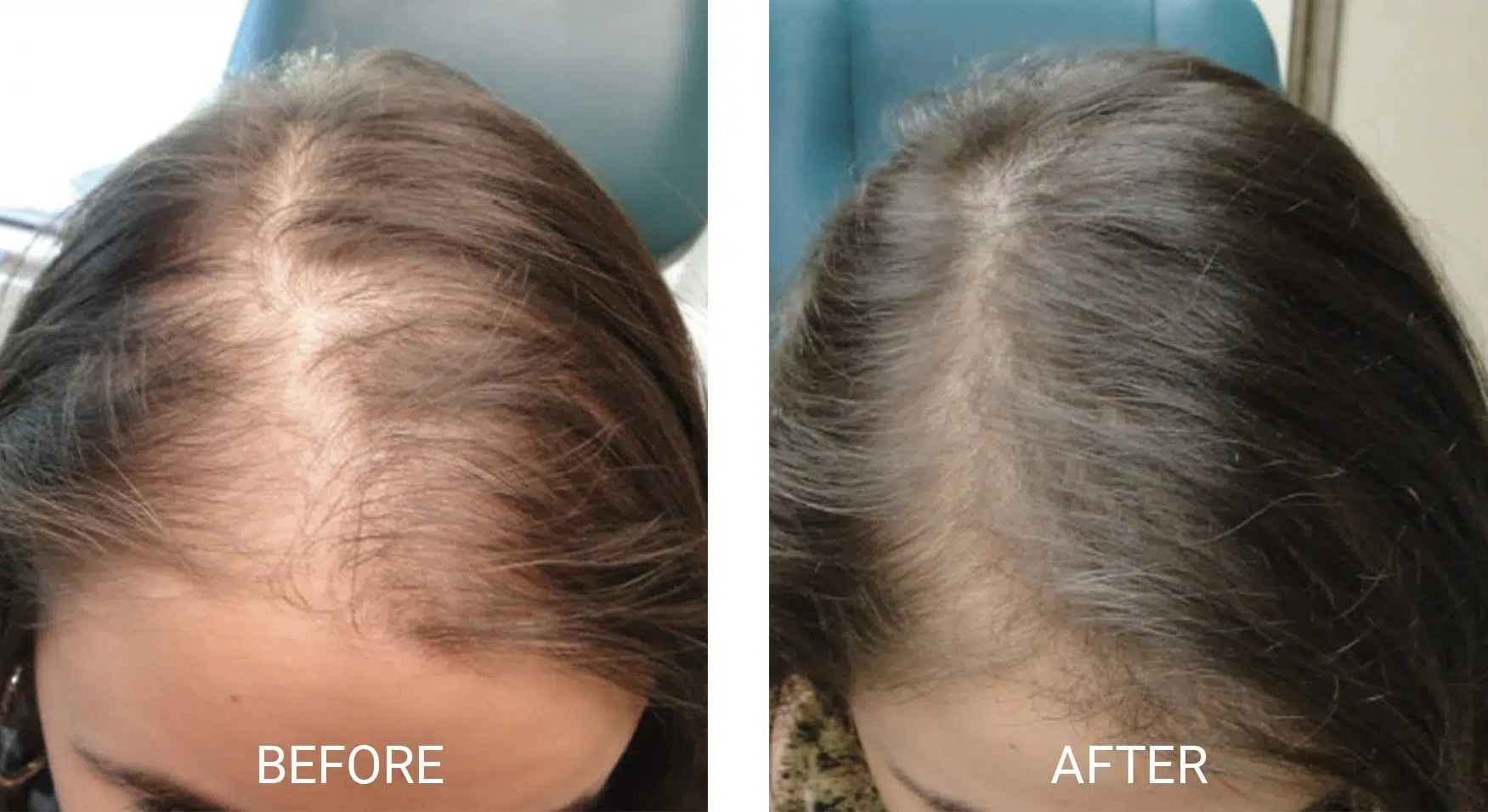
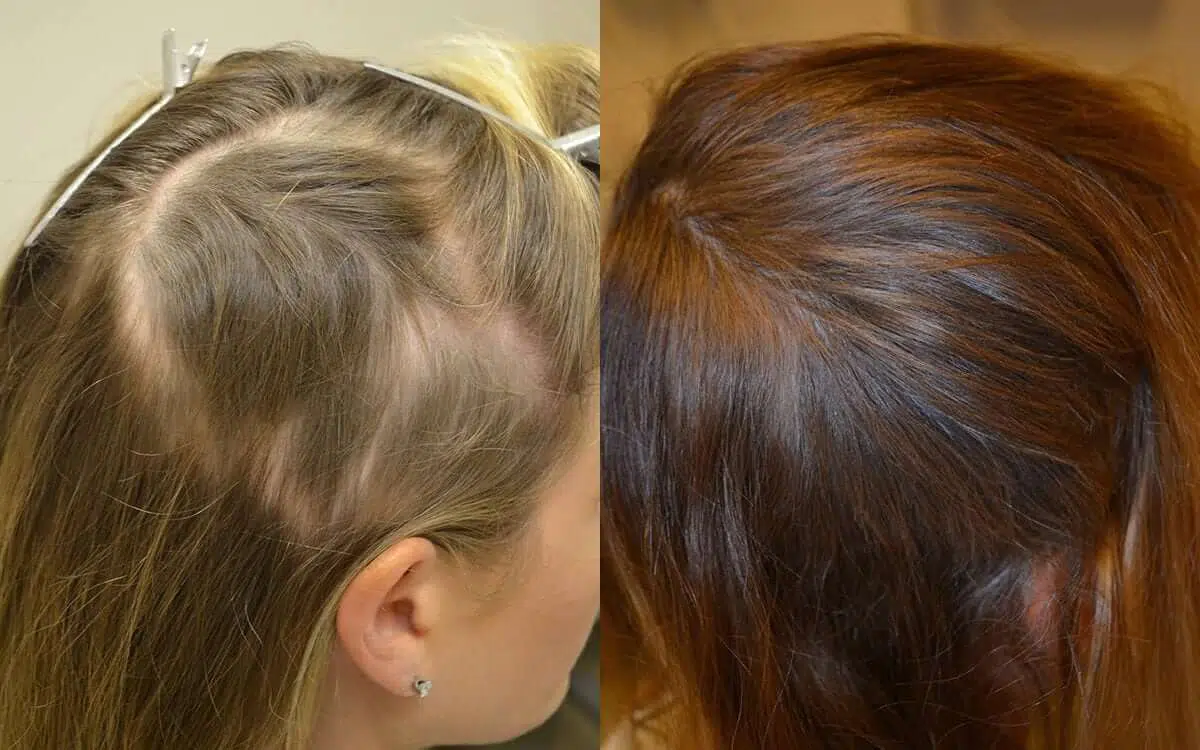
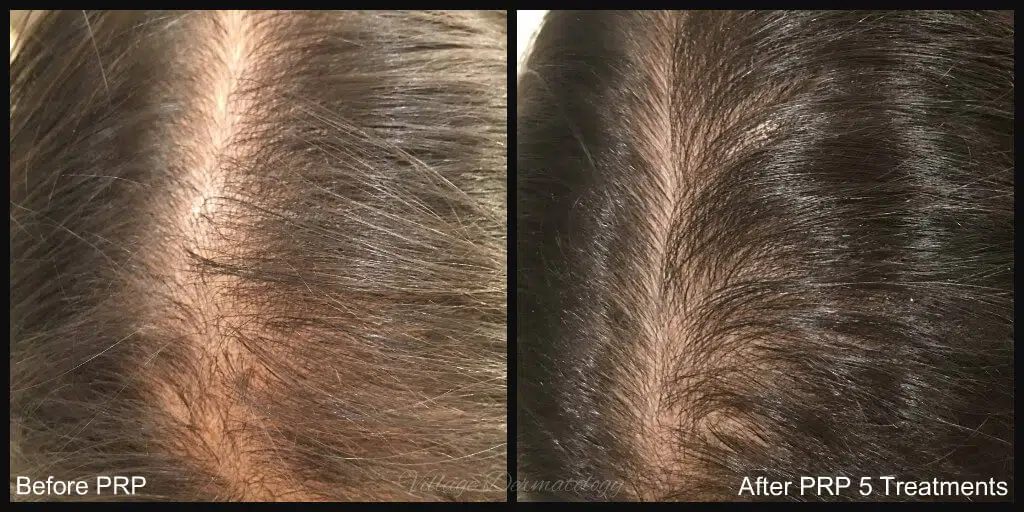
PRP HAIR BEFORE & AFTER
Hair Loss Solutions by Viviscal PRO
Viviscal Professional has 25 years of continued research, experience, and expertise. Today, Viviscal supplements are the number 1 hair growth supplement for women and men in the US with over 4 million units sold globally and 1 box of Viviscal supplements sold every minute worldwide!
Viviscal PRO is continuously investing in further clinical trials globally with numerous international trails previously conducted to prove the efficacy and safety of their supplements.
PRP HAIR REVIEWS
What Conditions Can PRP Help With?
PRP is commonly used to address male and female pattern baldness, thinning due to hormonal shifts, and post-pregnancy shedding. It also offers hope for those suffering from telogen effluvium, a temporary but frustrating condition that causes diffuse hair loss. PRP can intervene early, supporting stronger regrowth before significant loss occurs.

SHOP GIFT CARDS!
Easy to order, packaged in a fabulous gift box! Or choose to send an eGift Card online directly to the recipient!

Founded in 1992, Skin Vitality Medical Clinic has 14 Locations across Southeastern Ontario. Our Medical Team consists of over 200 professionals including 10 Medical Doctors, 40 Nurse Practitioners and dozens of Registered Nurses and Registered Practical Nurses. We are the Largest Provider of Botox®, Juvederm®, CoolSculpting®, Hair Restoration®, Sculptra®, EMSculpt® and Fraxel® in Canada.
FAQ's About PRP FOR HAIR LOSS
PRP (platelet-rich plasma) uses your own blood, concentrated for growth factors, injected into thinning scalp areas to strengthen follicles, prolong the growth phase, and increase hair density.
PRP works best for early-stage androgenetic alopecia (male or female pattern baldness), telogen effluvium from stress, and sometimes alopecia areata, by strengthening existing follicles rather than regrowing completely dead ones.
PRP is most effective for early-stage androgenetic alopecia, telogen effluvium, and sometimes alopecia areata, supporting existing follicles rather than regrowing dead ones.
A numbing agent keeps discomfort mild. Redness, swelling, or soreness may last 1–2 days; most return to normal activities immediately.
Since PRP uses your own blood, risks are minimal, no allergies, infections rare, and studies confirm good safety for hair regrowth with high satisfaction. Results are not permanent as hair loss progresses with time, so ongoing maintenance every 6–12 months preserves benefits.