

Why Are Gen Z Adults Considering Botox at All?
Gen Z is entering the aesthetics space with a very different mindset than previous generations. Rather than chasing a “frozen” look, many younger adults are asking how Botox fits into a broader routine focused on skin health, authenticity, and long‑term prevention.
This raises two key questions:
How Is Gen Z Balancing Skincare, Wellness, and Botox?
Gen Z grew up with endless access to skincare education, ingredient breakdowns, and before‑and‑after content. Prevention usually starts with the basics, not injectables: daily sunscreen, earlier use of retinoids, professional‑grade skincare, and lifestyle habits like sleep, hydration, and stress management.
Because topical and behavioural prevention has become normalized, Botox is seen less as a first step and more as a later layer in a long‑term strategy for keeping the skin healthy and expressive.
What Does “Natural” Mean to Gen Z?
Social platforms have made skin texture, movement, and transparency far more visible and accepted. Exaggerated smoothness and expressionless faces are often described as less relatable than subtle, authentic results.
As a result, many Gen Z adults say they want:
- Natural facial movement
- Unfiltered, realistic features
- Softer, subtle enhancements
- Treatments that avoid an “overdone” or obvious look
Botox is rarely rejected outright; instead, it is reframed as a tool to support subtle refinement when used thoughtfully.
How Do Money and Past Trends Shape Gen Z’s Choices?
How Does Cost Affect Gen Z’s Botox Decisions?
Gen Z entered adulthood during rising living costs and an uncertain job market, so value and budgeting are central to aesthetic decision‑making. Many reserve injectables for specific concerns, plan treatments around major events, or space appointments farther apart.
What Has Gen Z Learned from Past Aesthetic Trends?
Younger adults watched earlier trends like overfilled lips, rigid foreheads, and extreme facial changes play out across social media. Modern preferences tend to lean toward:
- Micro‑dosing or low‑dose treatment plans
- Balancing facial proportions instead of focusing on one feature
- Preserving expression and movement
- Avoiding dramatic, sudden transformations
This encourages more conservative treatment decisions, often starting with one area at a time.
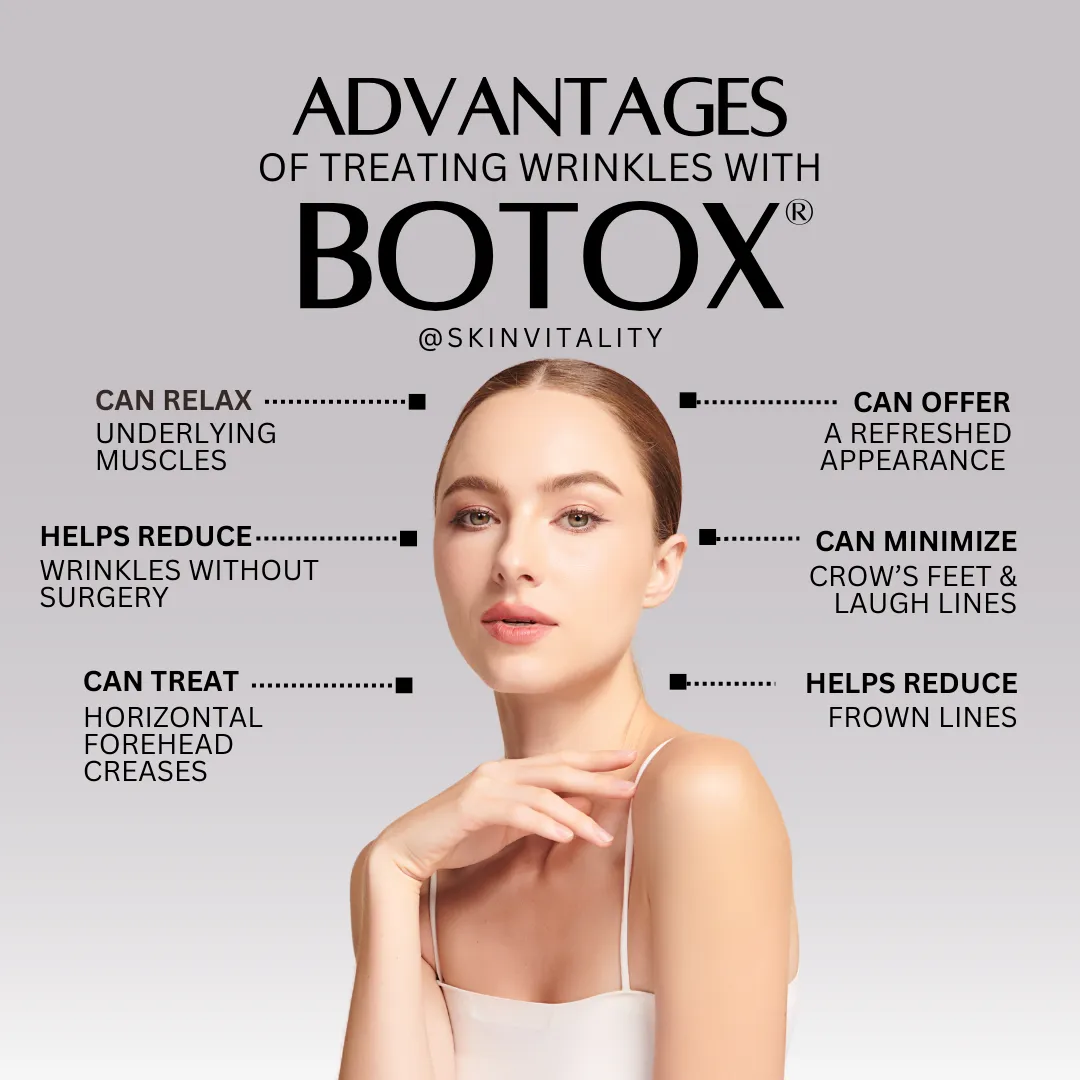
Why Many Gen Z Adults Still Choose Botox
Is Gen Z Using Botox for Prevention?
Preventative neuromodulation is popular among adults in their mid‑20s to early 30s who are noticing early expression lines or are concerned about future etched‑in wrinkles. The goal is to reduce repetitive creasing before deep lines fully establish, not to erase normal movement.
For many, this preventative approach focuses on:
- Reducing expression‑related stress on the skin
- Slowing the deepening of lines in high‑motion areas
- Maintaining overall facial balance over time
This is a subtle, targeted use of Botox — a shift away from the “all‑or‑nothing” cosmetic mindset of previous decades.
Is Botox Only About Aesthetics for Gen Z?
Many Gen Z patients also explore neuromodulators for functional concerns, sometimes before they are primarily focused on cosmetic results. Common examples include:
- Masseter injections for jaw tension and clenching
- Frown‑line treatment to relieve tension‑related discomfort
- Addressing strain from repetitive squinting or frowning in high‑movement areas
In these cases, interest in Botox is tied as much to comfort and wellness as it is to appearance.
>> Read ‘How Long Does Masseter Botox Last?‘
What Do “Baby Botox” and “Micro Dosing” Mean to Gen Z?
Gen Z’s aesthetic vocabulary often includes:
- Micro‑dosing
- Baby Botox
- Preventative neuromodulation
- Subtle smoothing and softening
These concepts all describe a light‑handed, proportion‑focused approach that aims to refine rather than dramatically change someone’s appearance. The emphasis is on softening lines, keeping facial features in harmony, and ensuring results are nearly undetectable to others.
>> Read ‘What Happens When Botox Is Stopped‘
How Does Gen Z Use Education and Transparency?
Previous generations were more likely to keep cosmetic treatments private. In contrast, Gen Z frequently shares experiences, discusses side effects, and compares injector qualifications openly online.
Younger adults commonly:
- Research risks, product types, and dosing ranges
- Ask detailed questions about treatment protocols and safety
- Seek out medically supervised clinics and licensed injectors
- Share honest before‑and‑after results with their communities
This openness reduces stigma, encourages safer decision‑making, and allows patients to arrive at consultations better prepared to have a nuanced conversation.
>> Read ‘What Should Be Avoided After Botox?‘
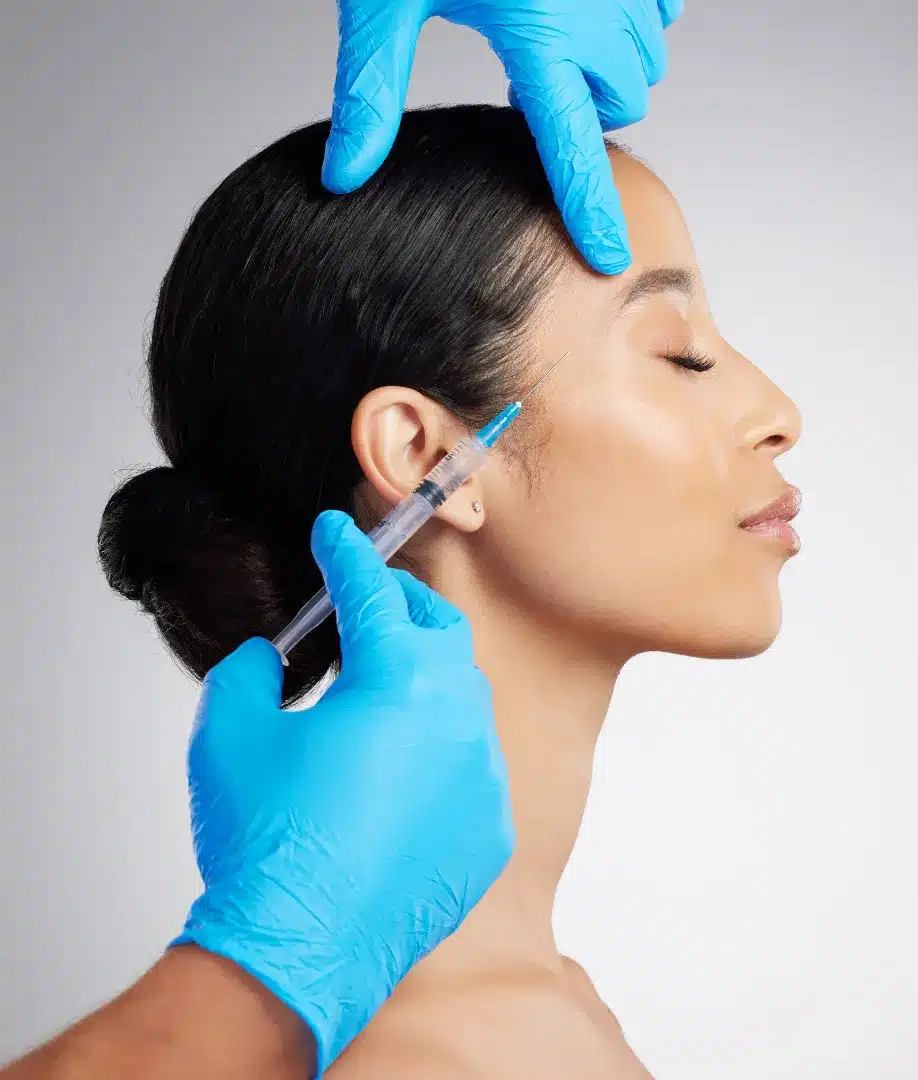
When Might Botox Not Be Needed Yet?
A thorough consultation sometimes leads to the conclusion that neuromodulators can wait. For some Gen Z adults, focusing on:
- Daily broad‑spectrum sunscreen
- Consistent topical treatments such as retinoids and antioxidants
- Lifestyle changes around stress, sleep, and screen time may offer more benefit than starting injectables immediately.
An experienced provider will help determine whether you are seeing early static lines that may respond well to Botox now, or whether your concerns are better addressed with skincare and non‑injectable options first.
How to Decide If Botox Is Right for You
If you are a Gen Z adult curious about Botox, consider the following steps before booking:
- Clarify your goals. Are you most interested in prevention, softening specific lines, functional relief, or a combination?
- Audit your current routine. Optimizing skincare, sun protection, and lifestyle habits can make any injectable plan more effective.
- Book a personalized consultation. A licensed injector can assess your facial animation, review your medical history, and recommend whether now is the right time to start — and if so, what a conservative, Gen Z‑friendly plan could look like.
- Ask every question. Dosing, cost per area, product type, expected longevity, and potential side effects should all be discussed openly before you proceed.
Gen Z is not rejecting Botox — the generation is redefining how neuromodulators fit into a broader wellness and skincare journey. With the right guidance, subtle dosing, and a strong emphasis on education, Botox can be one thoughtful tool among many for maintaining skin health and authentic expression over time.
Frequently Asked Questions
Is Gen Z avoiding Botox entirely?
No. Many Gen Z adults combine prevention‑focused skincare with a willingness to consider subtle neuromodulation when lines start to appear or when functional symptoms — like jaw tension or frequent frowning — become bothersome.
Why are some Gen Z adults cautious about injectables?
Younger patients are often highly informed and cost‑conscious. Common concerns include maintaining a natural look, avoiding past “overdone” trends, understanding long‑term safety, and making sure treatments fit their budget and lifestyle.
Is preventative Botox still popular?
Yes. Preventative or early neuromodulator use remains common among adults in their mid‑20s to early 30s who want to slow the deepening of expression lines rather than wait until wrinkles are deeply etched.
Are Gen Z Botox trends different from older generations?
Yes. Trends lean toward micro‑dosing, softer results, and combining aesthetic and functional goals, rather than dramatic transformations or full‑face “freezing.”
Does Gen Z prefer natural movement?
Most Gen Z patients say they want to look like themselves — just slightly more rested. Smooth but animated foreheads, soft crow’s feet, and visible expression are often preferred over a completely motionless appearance.



At Skin Vitality, we specialize in advanced aesthetics, medical-grade treatments and personalized body contouring plans tailored to your unique body, goals, and lifestyle. With over 200 medically trained staff across 14 clinics, and proudly serving Ontario since 1992, we’re Canada’s #1 provider of Botox®, Juvederm®, and CoolSculpting®, and the leading provider of EMSCULPT NEO in Ontario.
Our treatments are clinically overseen by Dr. Ramzan, MD, Medical Director at Skin Vitality Medical Clinic and a board-certified physician. Treatments are performed by licensed nurses, injectors, and technicians.
We don’t believe in one-size-fits-all treatments, we believe in custom transformations backed by medical expertise, proven technology, and trust.
Pradnya, A., & Pavicic, T. (2022). Botulinum Toxin in Aesthetic Medicine: Current Trends and Patient Perspectives. Journal of Cosmetic Dermatology.