Home » Blog » Is Botox Worth It for Wrinkles? When It Makes Sense
Is Botox Good for Wrinkles? What It Can and Can’t Do
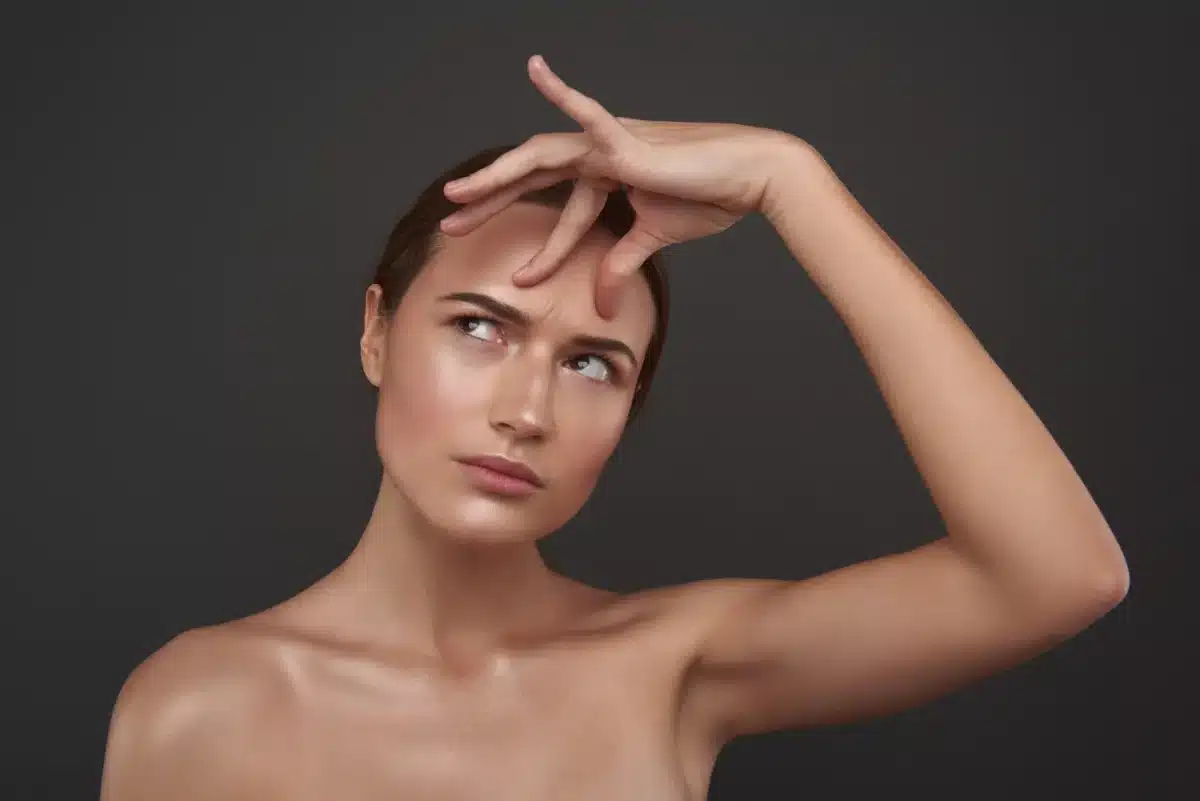
Wrinkles don’t show up all at once — they settle in gradually. One day a line only appears when the face moves, and the next it seems to linger no matter how relaxed the expression is. That moment often leads to a bigger question: is Botox actually worth it for wrinkles, or is it just another overhyped option?
Botox isn’t about chasing youth or freezing the face. It’s a targeted treatment designed for specific types of wrinkles, and when it’s used for the right reasons, it plays a clear role in modern aesthetic care.
What Botox Actually Treats
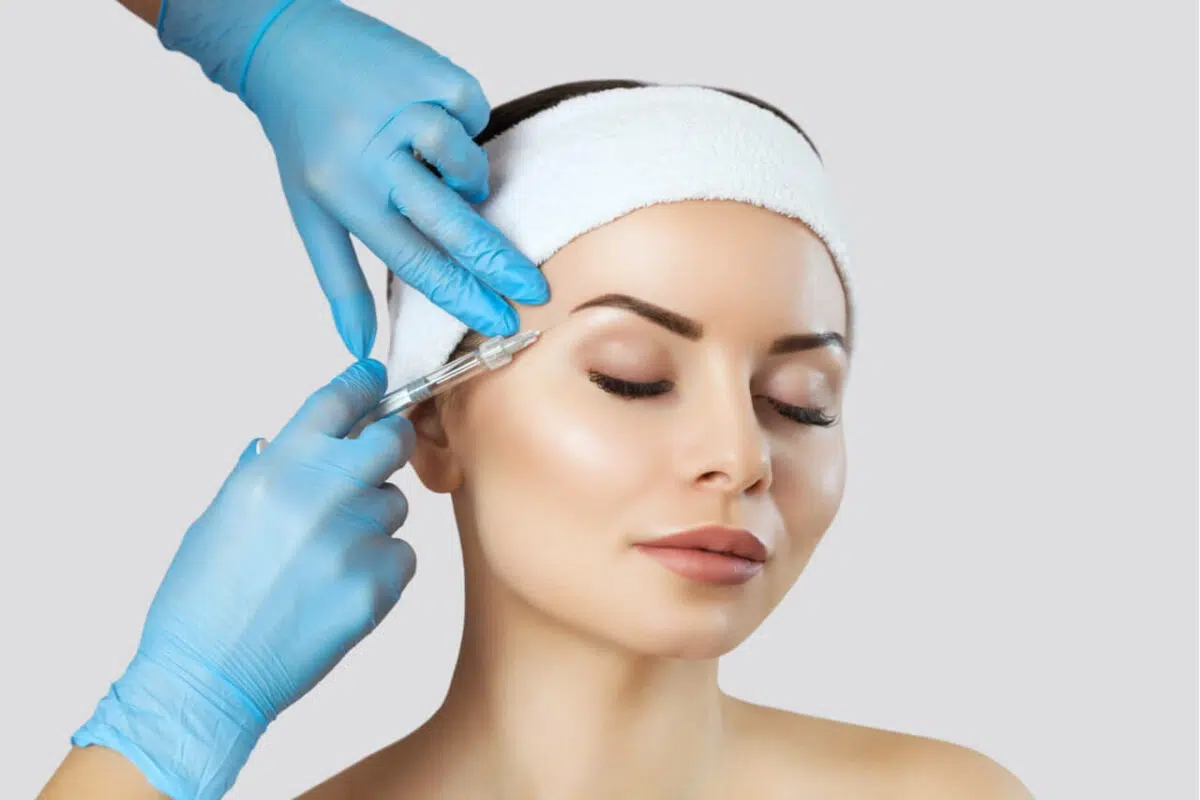
Botox is used to address wrinkles caused by repeated muscle movement. These include areas like frown lines between the eyebrows, forehead lines, and crow’s feet — places where the skin folds the same way thousands of times over the years.
Instead of working on the skin’s surface, Botox relaxes the muscles responsible for those movements. When muscle activity is reduced, the skin isn’t pulled into the same creases as often, which allows lines to soften over time. This is why Botox is often considered once wrinkles stop responding to skincare alone.
Skincare supports hydration, texture, and overall skin health — and it matters. But even the best products don’t change how facial muscles move.
When wrinkles are driven by expression rather than surface damage, topical products tend to reach a ceiling. Botox addresses a different layer of the problem, which is why it’s often explored when lines are clearly tied to movement rather than skin quality.
This doesn’t make Botox a replacement for skincare. It makes it a complementary option when the concern goes deeper than the surface.
Botox tends to be worth considering when wrinkles:
Deepen with facial movement
Begin to linger at rest
Affect areas that move constantly
Feel out of proportion to overall skin quality
It’s also appealing because it’s non-surgical, temporary, and adjustable. Treatments can be refined over time, rather than locking someone into a permanent change.
Botox is not designed to correct volume loss or skin laxity, which is why not every wrinkle is treated the same way.
What Botox Can’t Do
Clear expectations matter.
Botox doesn’t restore lost volume, resurface skin, or permanently remove wrinkles. Deep lines that remain visible even without movement sometimes need a different approach, such as dermal fillers or skin-focused treatments.
Understanding these boundaries is what keeps results natural and prevents over-treatment.
Does Botox Make the Face Look Frozen?
A frozen look usually comes down to technique, not the treatment itself.
When Botox is planned conservatively and placed with intention, facial movement remains — just without the excessive tension that deepens lines. Experienced providers focus on balance, not paralysis, and on preserving expression rather than erasing it.
How Long Results Typically Last
Botox results develop gradually over several days and wear off over time. Most people plan maintenance treatments a few times a year, depending on muscle strength, metabolism, and treatment area.
Because results aren’t permanent, treatment plans can evolve as facial structure and goals change. Botox is often chosen by people who:
Botox is worth considering when wrinkles are driven by muscle movement and when the goal is softening, not drastic change. It isn’t a universal solution, and it isn’t meant to replace skincare — but for the right concerns, it plays a clear and effective role.
Wrinkle treatment isn’t just about placing product — it’s about understanding how the face moves as a whole. Small changes in one area can affect expression, balance, and symmetry. A consultation helps determine whether Botox fits into a broader, individualized plan. Individual results may vary.